What Are the Benefits of Myofascial Release?
What Are the Benefits of Myofascial Release?
The benefits of Myofascial Release may include:
Reduced tension and discomfort
Improved mobility and flexibility
Better body awareness
Increased relaxation
Improved movement patterns
Support during recovery from injury or surgery
Less compensation throughout the body
Greater ease of movement
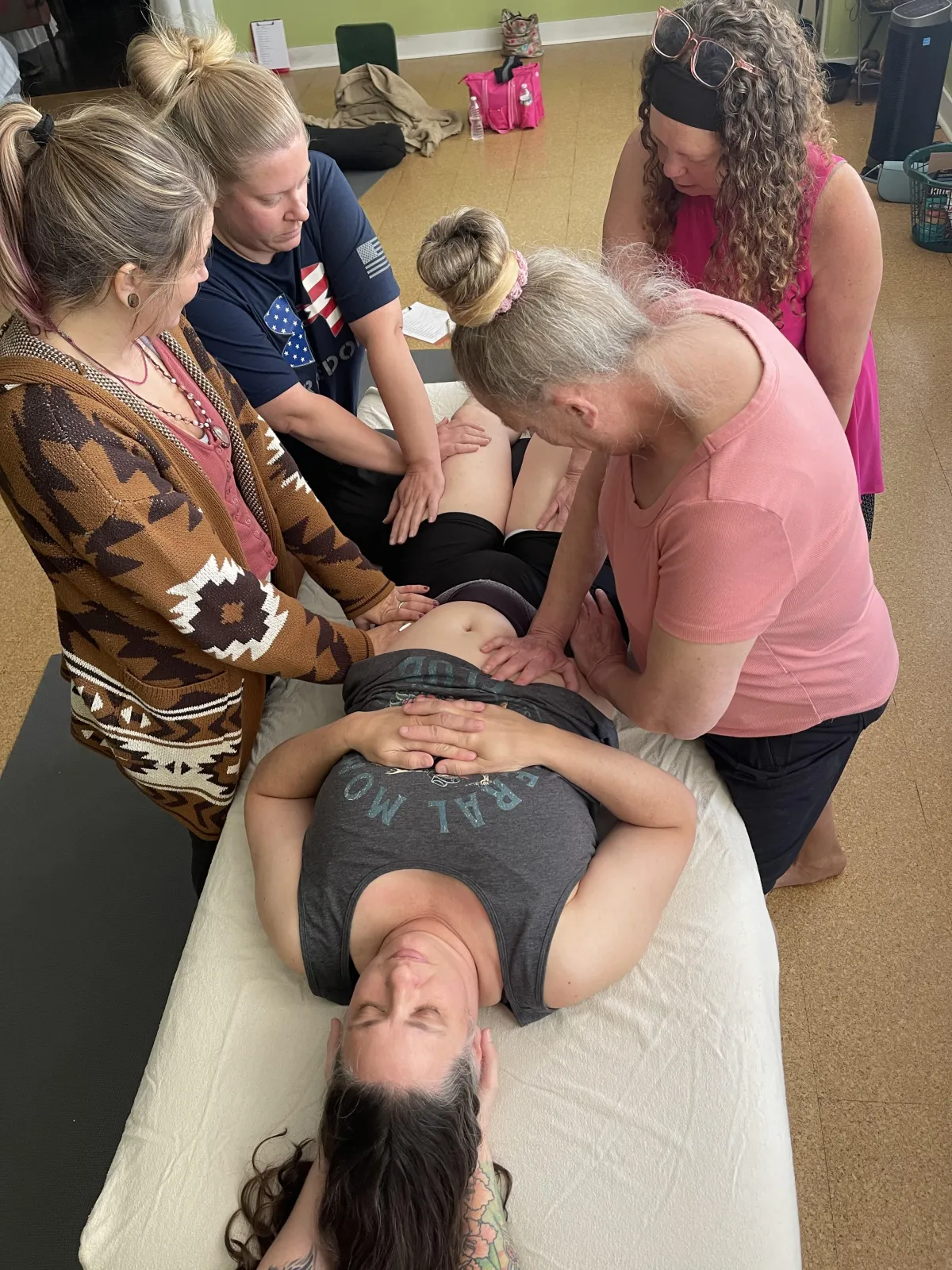
Myofascial Release is a hands-on approach that works with the fascial system—the connective tissue network that surrounds and supports structures throughout the body.
If you're unfamiliar with fascia, you may enjoy reading Understanding Fascia: A Different Way to Look at the Body before continuing.
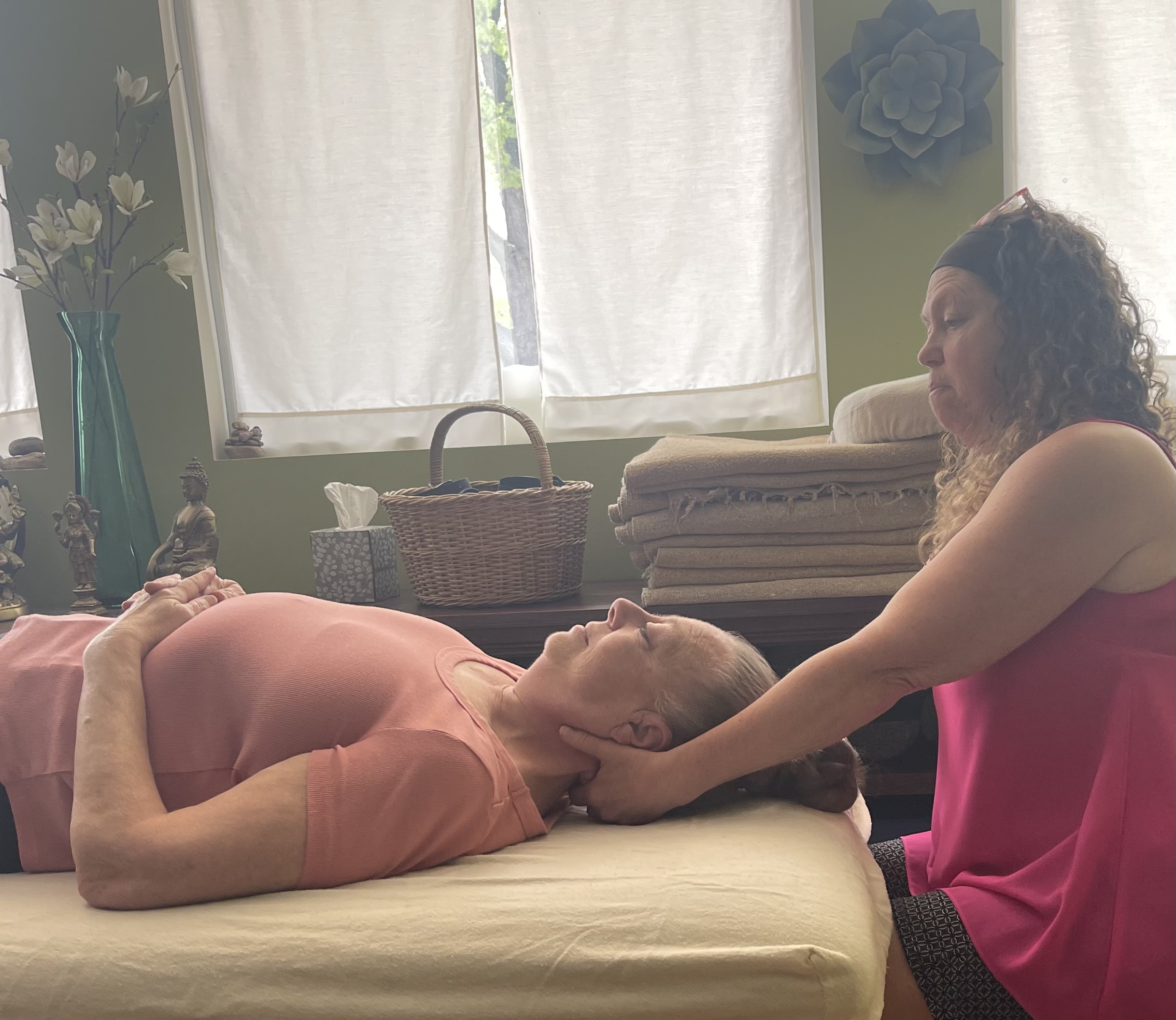
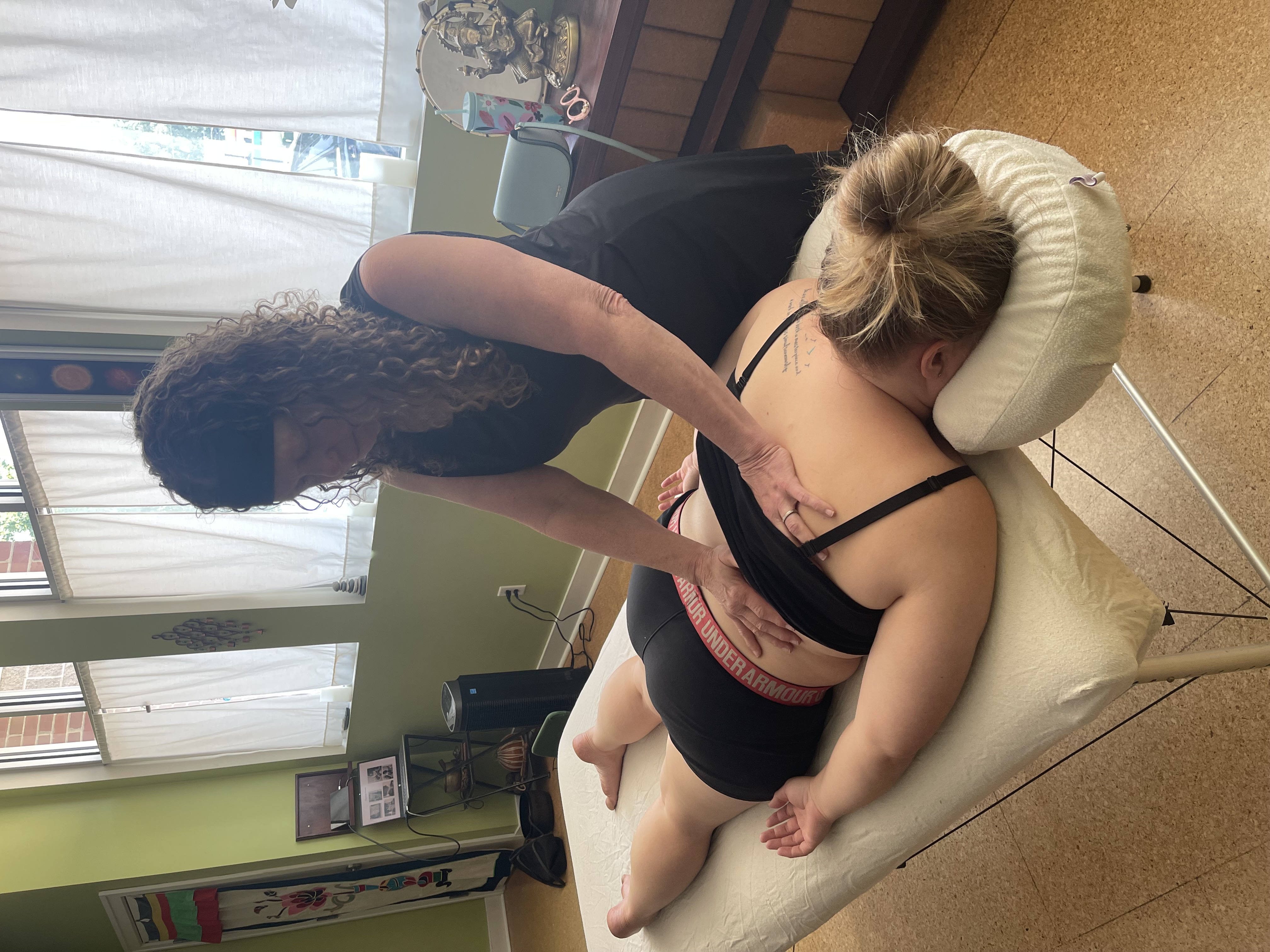
Unlike techniques that rely primarily on pressure, Myofascial Release focuses on listening to the body and following the tissue where it wants to go.
"I sink in as far as the body lets me, listen, wait, until the tissue lets me sink in deeper, kicks me out to a more superficial layer, or sends me to another part of the body that is the next restriction to be addressed."
Myofascial Release May Help Reduce Tension and Discomfort
Many people seek Myofascial Release because they feel tight, restricted, stiff, or uncomfortable.
Often, the body provides warning signs before discomfort becomes a bigger problem.
"Your body doesn't go from fine to career-ending injury overnight. It whispers before it screams."
I frequently see clients who have been stretching the same area for months, modifying how they move, or simply pushing through discomfort hoping it will go away.
Myofascial Release gives us an opportunity to slow down, listen, and explore where restrictions may be contributing to those patterns.
Myofascial Release May Improve Mobility and Body Awareness
When the body develops compensation patterns, movement often becomes less efficient.
Sometimes those patterns develop after an injury, surgery, repetitive movement, stress, or simply years of adapting to life.
One of the things clients often tell me after a session is that they feel more aware of their body.
"Your body has been talking to you. It's time to listen."
Many clients report moving more easily, breathing more deeply, or noticing habits and patterns they were previously unaware of.
The goal is not to force the body to change.
The goal is to create an opportunity for the body to respond.
Myofascial Release May Support Relaxation
Many people associate effective bodywork with more pressure.
In my experience, more pressure is not always better.
One of the things I teach massage therapists is that we don't have to fight the tissue to create change.
"You can't force relaxation or healing."
When people feel safe enough to slow down and listen to their body, they often experience a greater sense of relaxation and ease.
Every person responds differently, but many clients report feeling lighter, calmer, more comfortable, and more connected to their body after a session.
Is Myofascial Release Right for You?
You may benefit from Myofascial Release if you:
Feel tight or restricted
Experience recurring tension patterns
Want to improve mobility
Feel like your body is compensating for something
Prefer a slower, listening-based approach to bodywork
Want to better understand what your body is communicating
Summary
Myofascial Release is not about forcing the body to change.
It is about listening.
By slowing down and following the tissue, many people experience less tension, improved mobility, greater body awareness, and deeper relaxation.
Because the body is always communicating.
The question is whether we are listening.
About the Author
Goddess Wendy Coon, LMT, graduated from a 1,000-hour clinical massage therapy program in 2000 and began studying Myofascial Release after attending her first John F. Barnes seminar in 2001.
Over the past two decades, she has helped clients explore the body's fascial system through Myofascial Release and other complementary approaches. She is a Licensed Massage Therapist, continuing education provider, and founder of The Goddess Approach™.
Through her private practice, Goddess Healing Room, and her continuing education programs for massage therapists and yoga instructors, Wendy teaches a fascia-first approach built on time, presence, listening, and following the body's wisdom.
Learn more about private sessions at GoddessHealingRoom.com or continuing education opportunities at GoddessApproach.com.