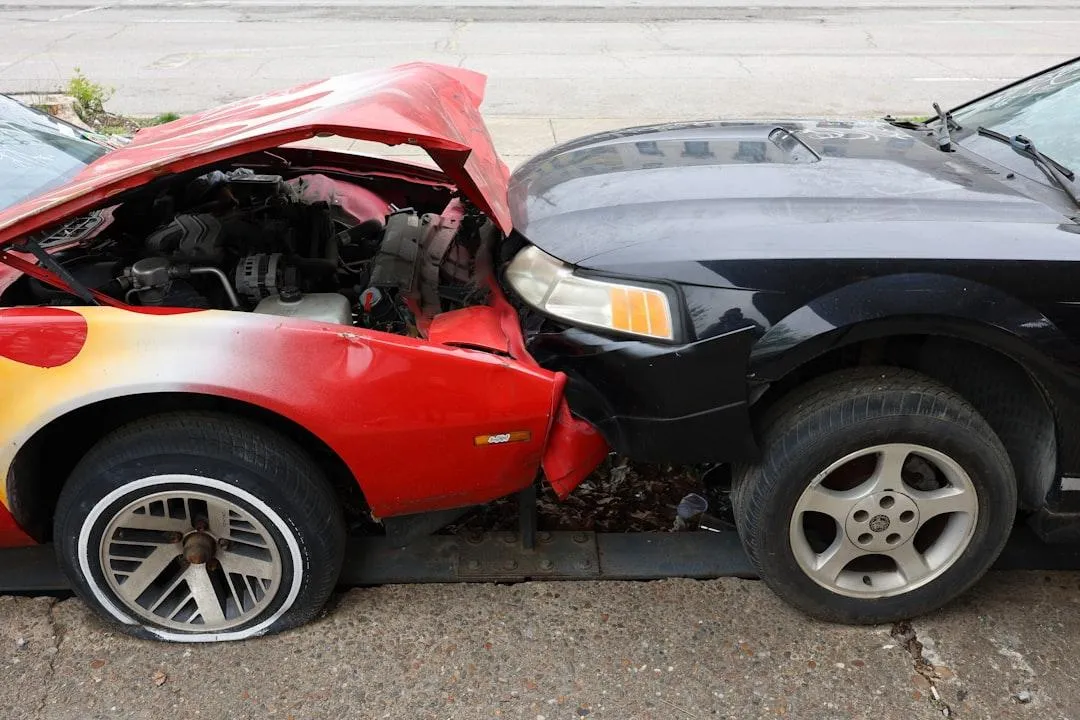
Your Body Remembers Every Car Accident—Even the "Small" Ones
I'll never forget the moment in one of my Myofascial Release (MFR) trainings with John Barnes, PT, when someone asked: "How soon after a car accident can we work on a client?"
His answer? "As soon as the wheels stop moving."
That response stopped me in my tracks.
In massage school, we'd been taught to wait a few days after an accident before doing bodywork. And that's still true for traditional massage techniques—applying strong pressure to fresh trauma could make things worse and risk further injury to already damaged tissues.
But Myofascial Release is different.
MFR uses sustained, gentle holds to open up restricted areas and reduce inflammation. There's no forcing, no aggressive strokes. You're working with the fascia, not against it.
That's why John Barnes' timing is so different from traditional massage protocols.
Here's why that matters, especially if you've ever been in a "minor" fender bender.
The "It Was Just a Little Accident" Myth
I hear this all the time:
"Oh, it was just a fender bender. I'm fine."
"It wasn't that bad. I don't need treatment."
"I'll shake it off in a few days."
And you know what? You might feel fine right now.
A couple days go by. Maybe you notice a little stiffness. A slight headache. Some tension in your neck or shoulders.
But life is busy, so you push through.
Fast forward five years, ten years, even fifteen years later.
Now you're dealing with chronic neck pain. Persistent headaches. Shoulder tension that never goes away. Lower back pain that seems to have appeared out of nowhere.
You see doctors. You try physical therapy. You get adjustments. Maybe you even get imaging done—X-rays, MRIs, CT scans—and they can't find anything "wrong."
Here's the thing: fascial restrictions don't show up on standard diagnostic imaging.
Medical testing hasn't caught up yet. Fascia generally doesn't appear on MRIs, CT scans, or X-rays. So even though you're in real pain from real restrictions, the tests come back "normal."
This is why fascia is often called the missing piece of the puzzle in chronic pain diagnosis.
But you know something is wrong because you're in pain.
Here's what's actually happening: Your fascia remembers everything.
What Really Happens to Your Body in a Car Accident
When your car gets hit—even in what seems like a minor collision—your body experiences significant force from the external impact, which creates internal damage you can't see.
Here's what happens to your fascia (the connective tissue that surrounds every muscle, bone, nerve, and organ in your body):
Fascial Restriction and Solidification
The trauma from the accident restricts your fascia, creating a constant state of internal tension. According to John F. Barnes, PT, in The Massage Therapist's Guide to Myofascial Release, fascial restrictions from trauma can theoretically produce pressures of up to 2,000 pounds per square inch inside your body. While this figure hasn't been scientifically verified, it gives you a sense of the enormous internal pressure these restrictions can create.
Think about that concept for a moment. That level of pressure—crushing down on your muscles, nerves, and blood vessels.
Physical Damage and Tightness
The impact damages the fascia by affecting hyaluronan, the substance that normally helps your fascia stay fluid and stretchy. When this dries up, your fascia tightens and solidifies. Movement becomes restricted. Pain follows.
The Mind-Body Connection
Even though the physical collision might last only seconds, your subconscious mind may continuously replay the frightening event—what trauma experts call the "broken-record effect."
This psychological response creates internal anxiety and tension, which increases fascial restriction even more, generating chaos throughout your entire physiological system.
Why Waiting Makes It Worse
This is why John Barnes' answer—"as soon as the wheels stop moving"—is so critical.
The sooner you address fascial restrictions after trauma, the less likely they are to become permanent.
Important note: You absolutely need medical clearance first to make sure nothing is broken and there are no internal injuries that would be contraindicated for bodywork. But once you have that clearance, don't wait.
When you wait days, weeks, or years to get treatment, those restrictions solidify. They spread. They create compensatory patterns throughout your entire body.
That "minor" fender bender from 2015? It could be the root cause of the chronic pain you're experiencing right now in 2025.
Your Fascia Remembers Everything
Every trauma. Every accident. Every impact.
If you don't release the restrictions—physically, emotionally, spiritually—that one incident can stay with you forever.
Your body has been holding that tension. And when those restrictions finally release, your body can heal.
What You Can Do Right Now
If you've been in a car accident—whether it was last week or ten years ago—and you're experiencing any of these symptoms:
Chronic neck pain or stiffness
Persistent headaches
Shoulder tension that won't release
Lower back pain with no clear cause
Limited range of motion
A sense that your body "just doesn't feel right"
It's time to address the fascial restrictions.
Ready to Release What Your Body Has Been Holding?
If you've been in a car accident and you're dealing with pain or tension that won't go away, Myofascial Release therapy is specifically designed to treat trauma held in the fascia. It's gentle, effective, and works by releasing restrictions rather than forcing them.
What to expect: Fresh trauma often responds in two to three sessions. Chronic restrictions that have been there for years take longer—sometimes many sessions to release. And some restrictions that have completely solidified may not fully release, though treatment can still make a difference.
As a licensed massage therapist with over 24 years of experience and specialized training in the John F. Barnes Myofascial Release method, I work with clients to address fascial restrictions from trauma.
Book your session today:
Text Goddess Wendy: 616-566-1437
Serving West Michigan
Know someone who's been in an accident? Share this article with them. Their body will thank you.
Your body remembers everything. The question is: are you ready to help it let go?
About Wendy Coon, LMT | Goddess Approach
Licensed massage therapist for 24+ years, specializing in Myofascial Release therapy using the John F. Barnes method. Creator of Goddess Approach, where massage therapists come to heal, grow, and build careers that last. Serving West Michigan and providing empowering continuing education that honors your body, nurtures your spirit, and creates sustainable success.
Sources:
Barnes, John F. The Massage Therapist's Guide to Myofascial Release. Rehabilitation Services, Inc., 1990.
"Fascia Tissue Function." Cleveland Clinic.
"Somatic Approaches to Relieving Anxiety and Healing PTSD: The Role of Myofascial Release." Emerge Psychology Group - Mental Health Services in Chicago.